
Engineering Philosophy
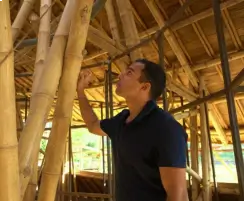
Co-founder & Principal Structural Engineer – Piyush Sharma
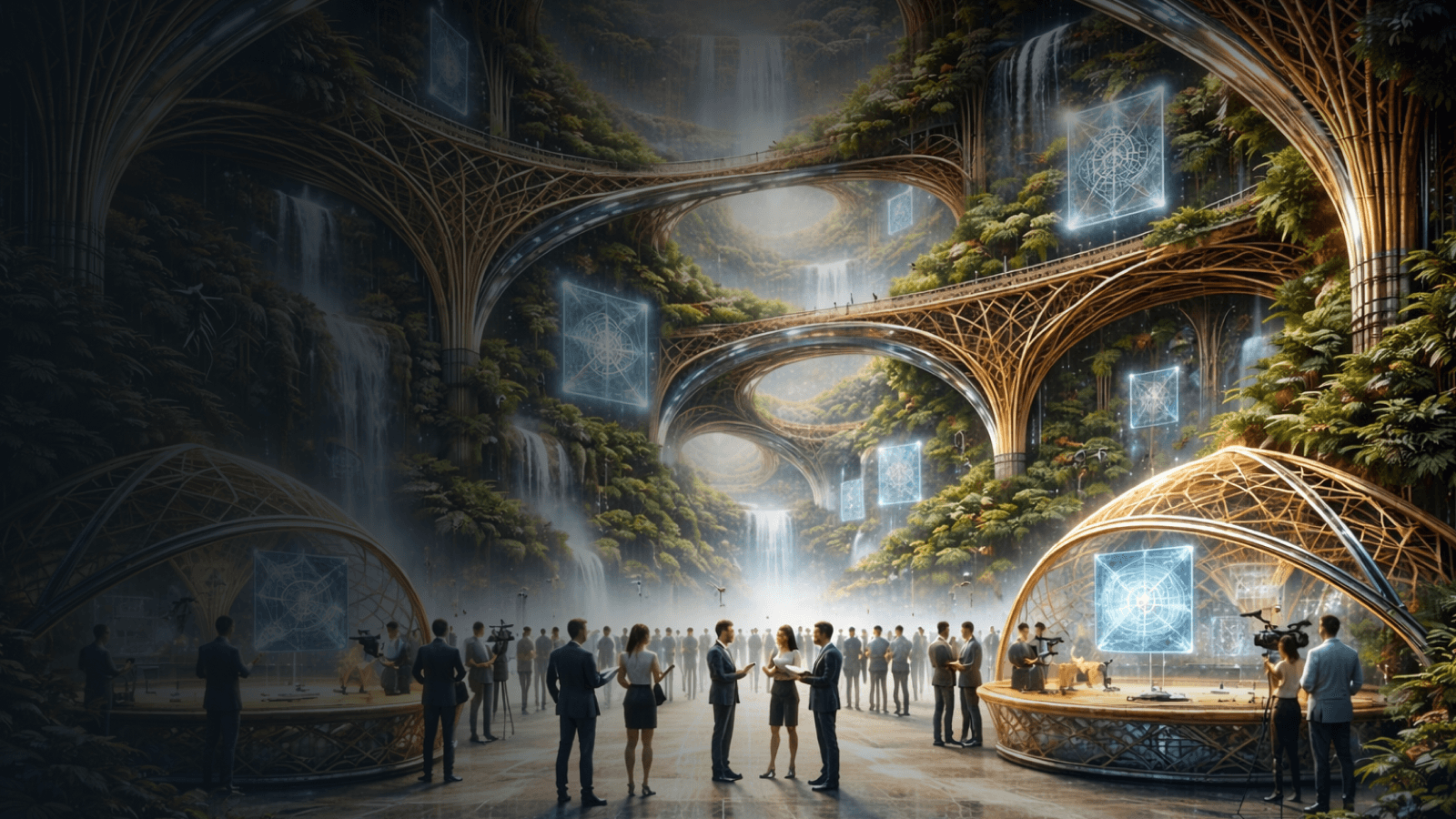
Engineering and architecture evolve together — shaping how a space performs, feels, and endures.
For Co-founder & Principal Structural Engineer — Piyush Sharma, engineering is approached as an inseparable part of architecture itself — not separate from design, but fundamental to how architecture performs, feels, and endures.
With a background in Structural Engineering from Nanyang Technological University, Singapore and a Master’s degree in Structural Earthquake Engineering from Imperial College London, his work has been shaped by a strong focus on structural performance, resilience, and material behavior within contemporary construction systems.
His exploration into alternative construction techniques emerged from a search for materials and systems capable of creating more resilient, efficient, and environmentally responsible buildings. This journey eventually led him to bamboo construction and to the understanding that meaningful architecture can only emerge when design, structure, craftsmanship, and execution evolve together rather than independently.
At Ekarth, the separation between architecture, engineering, and execution is intentionally reduced. The practice approaches construction as a deeply interconnected process where technical performance and spatial experience inform one another at every stage.
Working extensively with bamboo and other natural materials has reinforced this approach. Unlike conventional systems, bamboo demands a deeper understanding of structural behavior, joinery, climatic response, material limitations, and on-site craftsmanship. It requires architecture and engineering to evolve simultaneously.
For the studio, structure is not merely a means of support, but a contributor to atmosphere, spatial quality, and human experience.
Through its integrated design-build approach, Ekarth seeks to create buildings where technical rigor, material intelligence, ecological sensitivity, and architectural expression exist in balance — resulting in spaces that feel both structurally honest and deeply connected to their surroundings.
The studio continues to explore how engineering, material intelligence, and ecological sensitivity can come together to create architecture that is resilient, responsible, and deeply connected to its context.